Buying Guides
Real-Time Cold Chain Visibility in 2026: Why "Delivered" Is No Longer Enough
Passive loggers tell you what happened. Real-time monitoring tells you what is happening — while you can still act. Why active cold chain visibility became the 2026 standard, and the temperature & hum
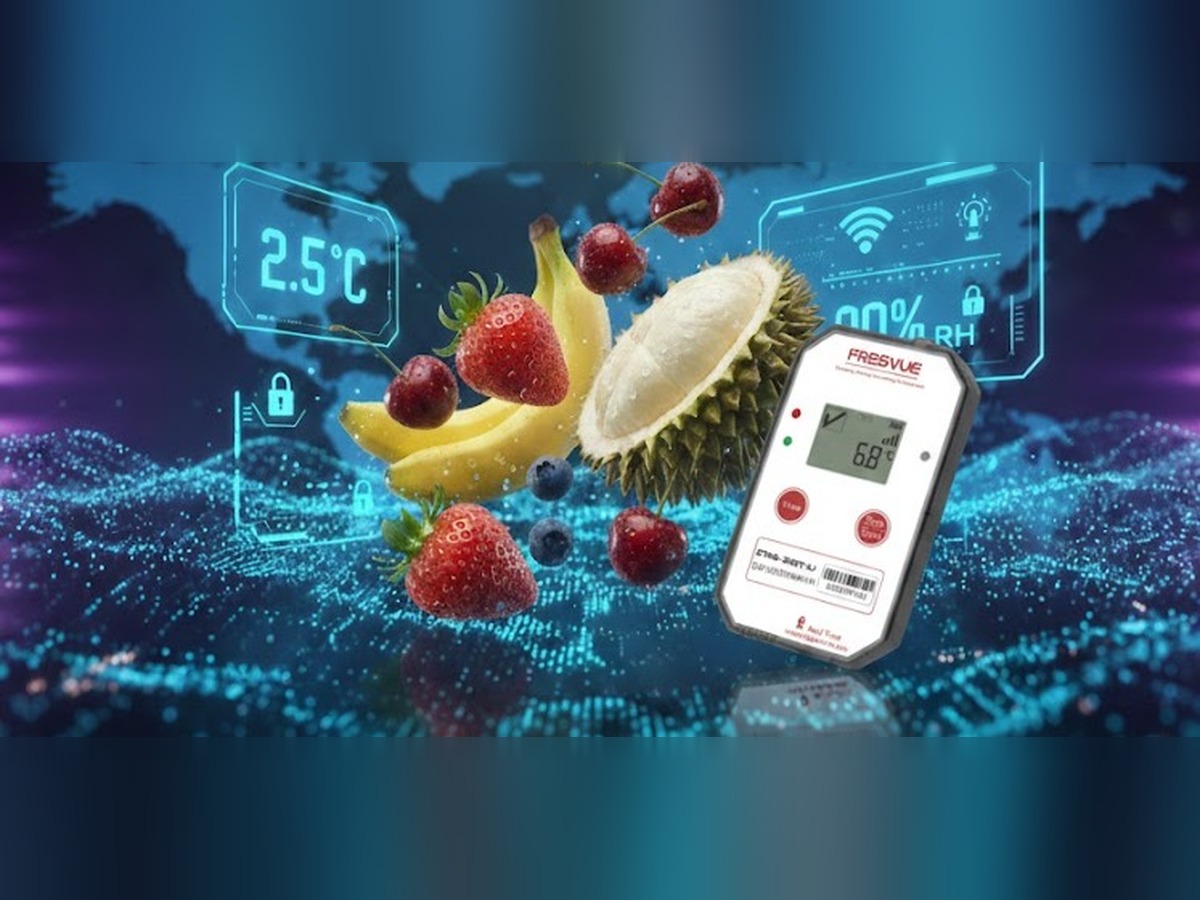
In the fast-moving world of global logistics, the difference between "delivered" and "delivered fresh" often comes down to a matter of degrees. As we move through 2026, the stakes for perishable supply chains have never been higher — and the question every exporter, distributor and quality manager is asking has shifted: not "did we lose the cargo?" but "can we still save it?"
The Cost of Blind Spots in Transit
For years, the industry relied on passive data loggers that told the story only after the journey ended. That data remains useful for insurance claims and post-mortem audits — but it arrives too late to save the cargo. A pallet of berries that spent six hours above range is already lost by the time anyone reads the chart. In 2026, blind spots are no longer acceptable: whether you are shipping avocados from South America or pharmaceuticals across Europe, real-time visibility has become the new standard.
From Passive Recording to Active Protection
The shift is not just about better sensors — it is about changing when you know. Passive monitoring answers "what happened?" Real-time monitoring answers "what is happening right now, and what should be done about it?" That difference decides whether a logistics manager can intervene — reroute a container, prioritize unloading, prepare documentation with hard evidence — or simply record a loss after the fact.
The Convergence of Sensing and Connectivity
At FRESVUE, we capture this shift in one line: "Converging Sensing, Connecting The Cold Chain." It is not a slogan — it is the engineering philosophy behind our latest generation of monitoring devices. The ZTAG-20GTH-LI single-use real-time temperature & humidity logger moves beyond simple recording by integrating three capabilities:
IoT connectivity — seamless global roaming keeps your data accessible whether the cargo is at sea, in the air, or on the road.
Precision sensing — high-accuracy measurement of both temperature and humidity (%RH), which matters most for sensitive cargo like berries and tropical produce.
Actionable alerts — instant notifications that let logistics managers intervene before a temperature excursion becomes a total loss.
What Real-Time Visibility Changes for Fresh Produce
Fresh produce is where live data pays off fastest. The journey of high-value fruit — cherries, berries, avocados, durian — passes through pre-cooling, packing, weeks at sea, customs clearance and final delivery. Every handover is a chance for a cold chain break, and the most damaging breaks are silent: a reefer door left ajar, a container stacked against a warm bulkhead, a connection missed during a schedule delay. With real-time temperature and humidity data, those events stop being invisible — excursions surface while the cargo is still on the water, early enough to warn the receiving warehouse, adjust storage plans, or document quality with hard evidence.
If you are weighing real-time loggers against traditional USB ones, our real-time vs USB comparison walks through the trade-offs — and our operational guide for fruit, seafood and vaccine transport covers what the data looks like in practice.
The Same Logic Applies to Pharmaceuticals
The principle extends well beyond produce. Pharmaceutical and vaccine shipments moving under GDP requirements already demand a continuous, traceable record — "we will check the logger on arrival" has never been a real compliance strategy. Real-time visibility turns that obligation into an operational capability: live alerts during transit, complete data trails without gaps, and PDF/CSV reports ready for audit the moment they are requested. Our GDP compliance guide breaks down what auditors actually check.
What to Look For in a Real-Time Logger
As real-time monitoring becomes the default across cold chains, the checklist for choosing a device is refreshingly short:
Global connectivity — coverage across ocean, air and road routes, without dead zones.
Dual sensing — temperature and humidity captured on the same timeline, not temperature alone.
Actionable alerts — thresholds your team can act on while the shipment is moving, not dashboards nobody checks.
Audit-ready reporting — one-click PDF/CSV reports that stand up to QA and regulatory review.
The right form factor — single-use loggers for shipments you will never get back; reusable devices for storage rooms and repeat routes.
Delivered Fresh, Proven Live
In 2026, "delivered fresh" is no longer a promise made with paperwork — it is one proven with live data. If you are planning your next generation of cold chain monitoring, FRESVUE can help you match the right device to your routes, cargo and compliance needs. Contact us for the full catalog and a one-on-one consultation.